The Midas Touch— What We Can Learn from Olympians Striving for Gold


Winter athletes have one shining opportunity every four years to compete for international
recognition with the world’s eyes on them at the Winter Olympics. They endure chilling weather conditions, overcome physical injuries, and train relentlessly for a chance to make sports history. Every breath is dedicated to this performance on a world stage. With sights set on Olympic gold, these athletes work tirelessly to earn their glory and attain legendary status.
As members of the audience, we wonder what the secret is. To endure the grueling never ending training, the strict coaches, the judgement, and the failure is superhuman outside the death-defying feats they’re working towards. How do they have resilience in the face of struggle? When victory is out of reach and outside their realm of control, how do they keep
reaching for it? How do they bounce back when performance feels inextricably tied to
self-worth? How do they keep trying?
In truth, Olympics athletes are mortals like we are. They ascribe meaning and worth to their
accomplishments. Winning might be a measure of their value, proof they fulfilled their purpose. It might unlock acceptance, belonging, self-worth.
This mindset puts immense pressure on performance. It equates failure with worthlessness.
Every time they do win, it reinforces the narrative that the struggle was worth it. But the pressure mounts, emotional well-being worsens, their relationship with the sport crumbles.

So how do they do it? Why endure it all?
Alysa Liu, a 20 year-old gold-medalist figure skater, thought she was done with skating at 16.
She had chosen to retire after the pressures of the sport overcame her. However, a few years later, Alysa began training again. After reflecting on her relationship to skating, she said, “Winning and losing don't affect me anymore...Medaling doesn't fulfill me. I skate because I like to skate."
Mikaela Shiffrin, a gold medalist alpine skiier who dealt with grief during her journey to the
Olympics, said, "What I’ve found through the course of my career is the years where I was
particularly afraid of failing, because I was afraid of disappointing those people who supported me and care about me, what I found was that when I finally did fail and own it, they actually supported me more”.
Chloe Kim, a two-time gold medalist snowboarder, reflects after winning silver in the 2026
Olympics, “In my eyes, I'm a winner, because I was able to persevere and fight through."
Shaun White, a well-known gold medalist in snowboarding, said, “I'm a big fan of doing what
you are really bad at. A lot. ... You take a crash, you get back up and next time you succeed and that's a great feeling."
These decorated American athletes share three key ingredients to their resilience. The first is
redefining success. Placing last doesn’t undo what they endured. They find pride in their
perseverance, in doing things that are hard. A gold medal is a fragile goal, one dependent on
subjective scoring from judges. Measuring success through gold means allowing another person to define your worth. Instead, they see the strength in their spirits because they proved to themselves that they can survive and even flourish under difficult conditions.
The second ingredient is a recognition that seeking support is an asset and a tool. These athletes rely on their coaches, families, friends, and fellow athletes for strength. It is easy to feel isolated in your individual journey. However, you’ll quickly find that it’s easier when there’s someone walking alongside you, someone to pick you back up when you fall, someone to believe in your potential. Asking for a helping hand can make all the difference.
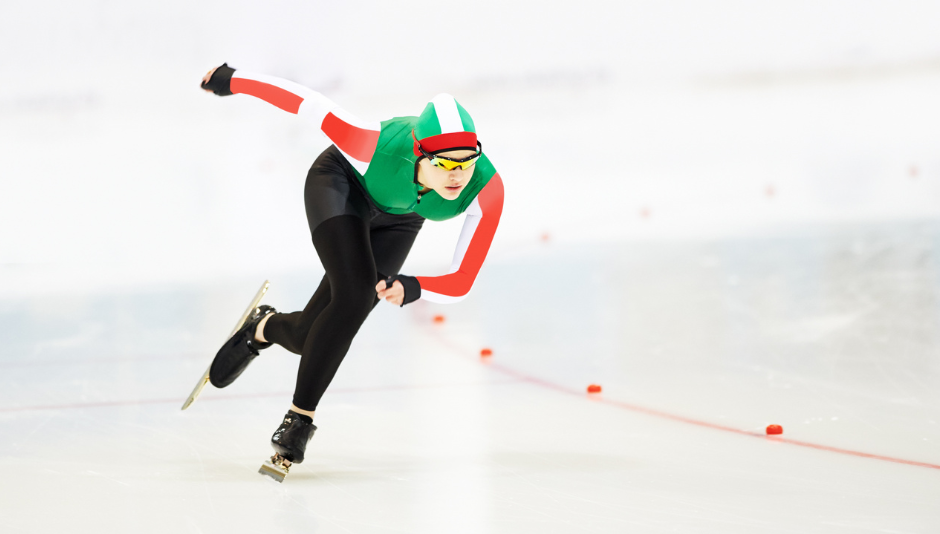
The last ingredient is fun! These athletes engage in their sport, the training, the struggle, simply because they enjoy it. They enjoy pushing their bodies to their physical limits. Mastering a new skill shows them their talent. In the process, they inspire others to do the same. Though their journey is difficult, and defeat creeps around every corner, they’re fulfilled by their pursuit rather than their destination. When we find things we love and relish the joy, the hard parts feel a little easier.
While we’re not all battling on a global stage for international recognition, we are doing things
that are difficult every single day. We’re stuck in difficult positions and are having a hard time
moving through. Feeling lost, we become stagnant. Giving up sometimes feels like an easier
choice. However, we can learn to sit in discomfort and even see value in it for its role in our
growth. Maybe along the way, we see success in different ways. We make a friend and let them encourage us. And we bask in moments of fun.

Comments