How Teletherapy Works and Why It’s Effective


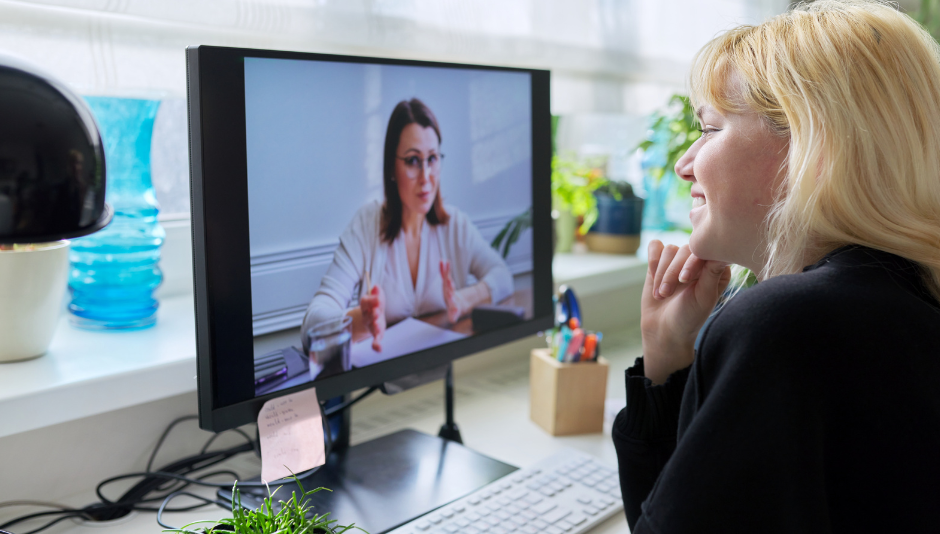
Teletherapy, or therapy delivered via secure video or phone platforms, has become more and more commonly seen as an effective way for people to access mental health care. Teletherapy allows clients to connect with licensed therapists from the comfort of their own homes, providing both convenience and flexibility while maintaining the core benefits of traditional in-person therapy.
In a teletherapy session, clients use a HIPAA compliant video platform to meet with their therapist in real time. Despite being online, these sessions closely resemble in office appointments, with the same opportunities to explore emotions, work through challenges, and practice coping strategies etc. Many clients report that being in a familiar, comfortable environment can make it easier to open up and engage in meaningful conversation compared to a traditonal office space. And for some, this sense of safety reduces the initial anxiety that may accompany visiting a therapist’s office for the first time.
Studies have shown that online therapy can be just as effective as in-person sessions for addressing anxiety, depression, stress management, and trauma-related symptoms (Morin, 2020). Clients often appreciate the flexibility it provides, which can make it easier to stay consistent with sessions (an important factor in achieving progress.) As a more specific example, teletherapy programs specifically designed for conditions such as PTSD have also demonstrated success, showing reductions in symptom severity comparable to traditional treatment methods (Owusu et al., 2025).

Additionally, teletherapy can remove common barriers to care that many people face to get to therapy otherwise. For example, clients who live in rural areas, have limited transportation options, or struggle with mobility can still access high quality mental health support and treatment. Barriers like busy schedules, work demands, and family obligations are also less likely to interfere when therapy can be conducted virtually. This digital format also allows therapists like myself to incorporate tools and resources that might enhance the therapeutic experience, such as screen sharing worksheets, interactive exercises, or guided mindfulness practices.
While teletherapy is highly effective for many individuals, it is important to recognize that it may not be the ideal choice for every situation. Clients who require intensive monitoring, hands-on interventions, or specialized in person treatment may benefit from a combination of approaches or in office sessions. Saying this, the evidence consistently demonstrates that teletherapy is a legitimate, research supported form of therapy that meets the needs of a broad spectrum of clients as well!
Teletherapy provides a flexible, accessible, and effective way to receive mental health care, removing barriers like location, scheduling, and comfort that might otherwise make therapy difficult to access. At New Hope Counseling Group, we offer secure, professional teletherapy sessions designed to help you address mental health challenges and work toward personal growth from the convenience of your own home. If you’re curious about how teletherapy could support you, please schedule a free 15-minute consultation to meet a therapist, ask questions, and explore your options!
Morin, A. (2020). Americans find strength in online therapy. Verywell Mind. https://www.verywellmind.com/americans-turn-to-online-therapy-for-strength-5085208
Owusu, J. T., Wang, L., Chen, S.-Y., Wickham, R. E., Michael, S. T., Varra, A., … Lee, J. L. (2025). Real-world evaluation of an evidence-based telemental health program for PTSD symptoms. Scientific Reports. https://pubmed.ncbi.nlm.nih.gov/39753626


Comments